2026-7-23 Qingyi Energy Technology Co., Ltd. Pioneers a New Circular Economy Model for End-of-Life Solar Panels Through High-Efficiency Recycling
Source: Wealth Magazine, Issue No. 768
As Solar Panels Reach End-of-Life, a Billion-Dollar Recycling Economy Is Emerging
Qingyi Energy Technology Turns End-of-Life Solar Panels into Valuable Resources Through Innovative Recycling Technologies
Taiwan's installed solar photovoltaic (PV) capacity has grown rapidly in recent years, but the challenge of managing large volumes of end-of-life solar panels is becoming increasingly apparent. Insufficient recycling efficiency and incomplete resource recovery have created new opportunities for Qingyi Energy Technology to drive the circular economy.
Amid the global energy transition, Taiwan's cumulative installed solar PV capacity has reached approximately 14 GW and continues progressing toward the national target of 20 GW. However, the disposal of retired solar panels has become an increasingly pressing environmental concern.
Taiwan began deploying solar PV systems on a large scale around 2010. According to Lin Chun-Hsu, Director and Research Fellow at the Center for Green Economy of the Chung-Hua Institution for Economic Research (CIER), a significant wave of retired solar panels is expected to emerge around 2030, creating a major waste management challenge.
The issue is no longer a distant concern. In 2025, Typhoon Danas damaged approximately 100,000 solar panels, highlighting the urgent need for faster and more efficient recycling solutions.
Against this backdrop, Promore Environment & Energy Co., Ltd., Transcene Corporation, and Yew Liang Holding Co., Ltd. jointly established Qingyi Energy Technology Co., Ltd. in 2025 to address end-of-life solar panel recycling from a circular economy perspective. With nearly two decades of experience in solar EPC (Engineering, Procurement and Construction) services, Quan Tai aims to extend its business beyond PV system development.
According to Su Yu-Tzu, Chairperson of Qingyi Energy Technology, the company's vision is not only to develop solar power systems but also to recover and reuse retired solar panels, completing the entire resource lifecycle while maximizing the value of every material.
Recycling Efficiency Is the Key to Sustainable Solar Panel Recovery
Glass accounts for approximately 70% of a solar panel's composition, followed by 15–20% aluminum frames, 6–7% EVA encapsulant and polymer backsheet, 4% photovoltaic cells containing silicon and metallic conductors, and approximately 2% junction boxes consisting primarily of polypropylene (PP) and high-quality copper wiring.
Current recycling practices typically begin with manually removing the aluminum frame, which represents the highest-value recyclable component after remelting. The remaining glass is crushed and downgraded for use in construction materials, while smaller quantities of silver, copper, silicon, and other valuable materials are recovered despite their relatively low weight percentage.
According to Hsieh Ya-Min, General Manager of Transcene Corporation, the greatest challenge facing today's solar panel recycling industry is processing efficiency. Because aluminum frames are still largely dismantled by hand, processing capacity remains limited. Following Typhoon Danas, for example, the sudden influx of damaged panels exceeded existing recycling capacity, forcing many panels into temporary storage.
Another challenge is incomplete resource recovery. Lin Chun-Hsu notes that crushed glass can only be incorporated into new glass production at limited proportions. If used as construction backfill, Associate Professor Chen Wei-Sheng of National Cheng Kung University's Department of Resources Engineering explains that solar glass is significantly harder than ordinary glass. Its sharp edges must be ground down before reuse, requiring additional energy, increasing processing costs, and generating greater carbon emissions.
Glass Reuse: Lower Cost, Lower Carbon
Qingyi Energy Technology's core competitive advantage lies in its industrialized, full-resource recovery process, supported by three key technologies.
The first is automated frame removal, capable of simultaneously removing aluminum frames and junction boxes while preserving the integrity of the glass. The system processes one solar panel per minute.
The second is glass separation. Intact panels enter a separation system where heated blades soften the EVA encapsulant, allowing the glass and backsheet to be separated within approximately one minute without generating dust or exhaust emissions. Damaged panels are processed using a dedicated glass separation system equipped with milling technology that efficiently recovers most broken glass.
The third process is backsheet material separation. The backsheet containing photovoltaic cells is shredded and milled into uniform particle sizes before undergoing automated separation. By combining differences in material density and electrical conductivity with airflow and vibration technologies, the system efficiently recovers silicon powder, copper conductors, plastics, and other recyclable materials. The fully automated process significantly improves both recovery efficiency and processing capacity.
Over 95% Resource Recovery with Near-Zero Carbon Emissions
Through these proprietary technologies, Qingyi Energy Technology achieves a resource recovery rate exceeding 95% while preserving the value of recovered glass.
According to Hsieh Ya-Min, the recovered glass panels, approximately 3 mm thick, remain intact and can be laminated into 6 mm tempered glass suitable for greenhouses, skylights, canopies, and other architectural applications. Compared with manufacturing new float glass, this approach not only reduces production costs but also results in near-zero carbon emissions.
Although the recovered glass currently follows earlier industry specifications and therefore cannot yet be reused in new photovoltaic modules, Chen Wei-Sheng notes that, with appropriate quality screening and verification that light transmittance remains above 92%, recycled glass could eventually be returned to the solar manufacturing supply chain, creating even greater economic value.
Qingyi Energy Technology's recycling equipment is currently being installed and is awaiting final licensing for trial operation. The facility is expected to achieve a monthly processing capacity of 600 metric tons.
As demand for renewable electricity continues to grow, establishing a complete and traceable recycling system for retired solar panels will become increasingly important. For industries such as semiconductor manufacturing, where environmental sustainability and circular economy practices are becoming essential supply chain requirements, a transparent and well-managed recycling pathway will provide significant competitive value.
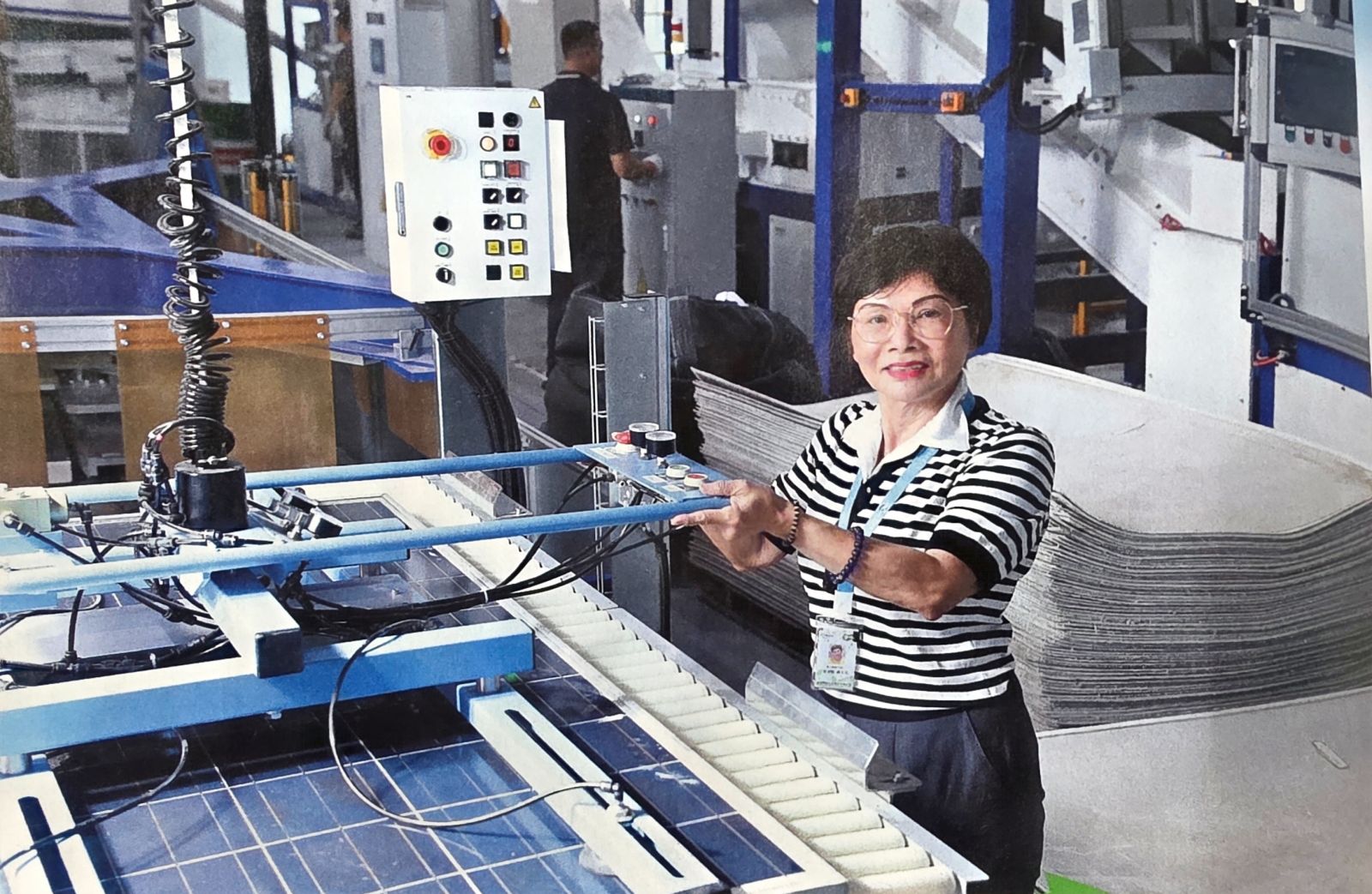
Figure 1: Su Yu-Tzu, Chairperson of Qingyi Energy Technology Co., Ltd., has expanded the company's
expertise from solar photovoltaic and energy storage systems to end-of-life solar panel recycling.
Photo: Chen Chun-Sung
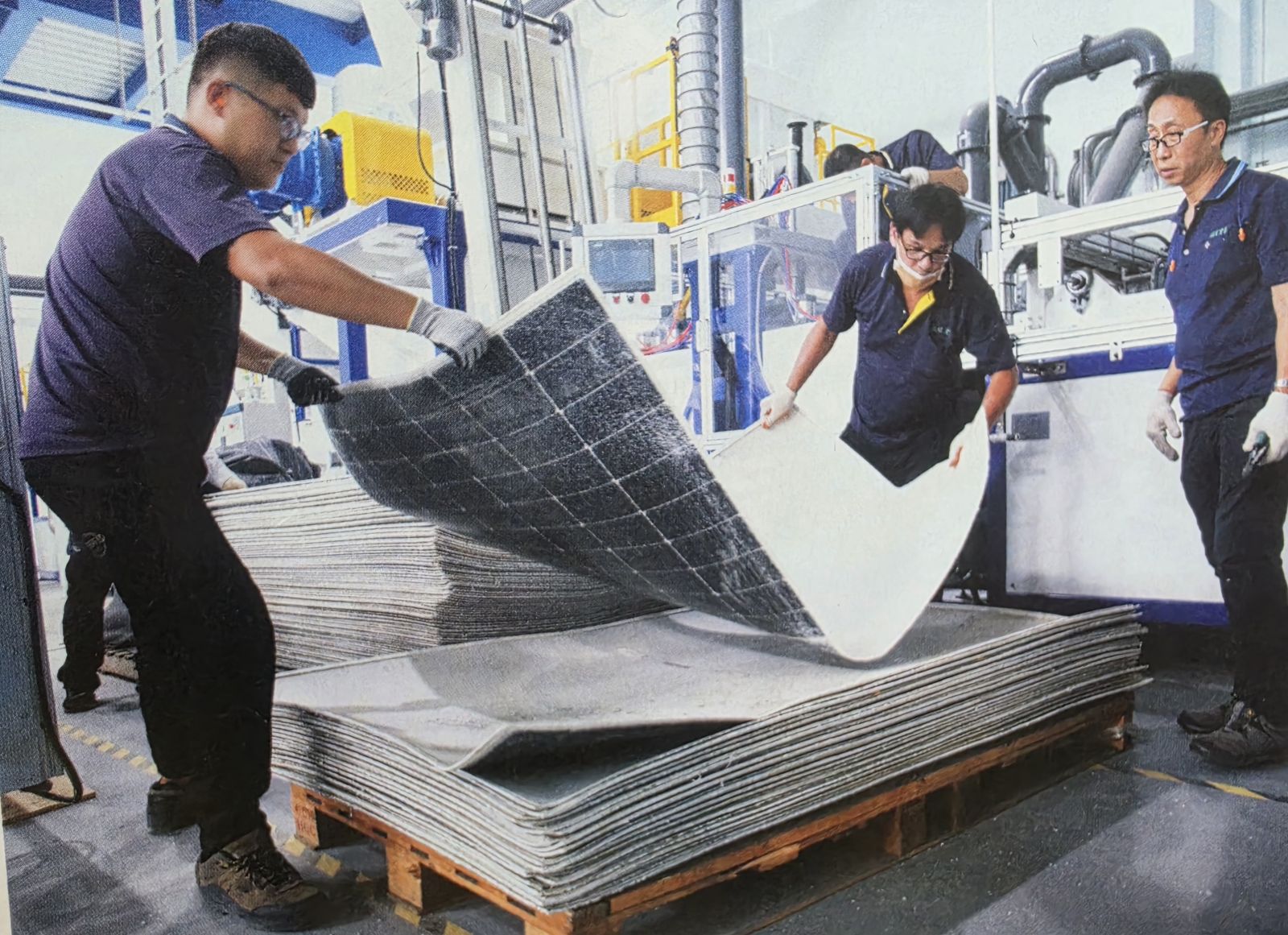
Figure 2: Qingyi Energy Technology's advanced equipment delivers high-speed processing and a high
recycling rate for end-of-life solar panels.
Photo: Chen Chun-Sung
As Solar Panels Reach End-of-Life, a Billion-Dollar Recycling Economy Is Emerging
Qingyi Energy Technology Turns End-of-Life Solar Panels into Valuable Resources Through Innovative Recycling Technologies
Taiwan's installed solar photovoltaic (PV) capacity has grown rapidly in recent years, but the challenge of managing large volumes of end-of-life solar panels is becoming increasingly apparent. Insufficient recycling efficiency and incomplete resource recovery have created new opportunities for Qingyi Energy Technology to drive the circular economy.
Amid the global energy transition, Taiwan's cumulative installed solar PV capacity has reached approximately 14 GW and continues progressing toward the national target of 20 GW. However, the disposal of retired solar panels has become an increasingly pressing environmental concern.
Taiwan began deploying solar PV systems on a large scale around 2010. According to Lin Chun-Hsu, Director and Research Fellow at the Center for Green Economy of the Chung-Hua Institution for Economic Research (CIER), a significant wave of retired solar panels is expected to emerge around 2030, creating a major waste management challenge.
The issue is no longer a distant concern. In 2025, Typhoon Danas damaged approximately 100,000 solar panels, highlighting the urgent need for faster and more efficient recycling solutions.
Against this backdrop, Promore Environment & Energy Co., Ltd., Transcene Corporation, and Yew Liang Holding Co., Ltd. jointly established Qingyi Energy Technology Co., Ltd. in 2025 to address end-of-life solar panel recycling from a circular economy perspective. With nearly two decades of experience in solar EPC (Engineering, Procurement and Construction) services, Quan Tai aims to extend its business beyond PV system development.
According to Su Yu-Tzu, Chairperson of Qingyi Energy Technology, the company's vision is not only to develop solar power systems but also to recover and reuse retired solar panels, completing the entire resource lifecycle while maximizing the value of every material.
Recycling Efficiency Is the Key to Sustainable Solar Panel Recovery
Glass accounts for approximately 70% of a solar panel's composition, followed by 15–20% aluminum frames, 6–7% EVA encapsulant and polymer backsheet, 4% photovoltaic cells containing silicon and metallic conductors, and approximately 2% junction boxes consisting primarily of polypropylene (PP) and high-quality copper wiring.
Current recycling practices typically begin with manually removing the aluminum frame, which represents the highest-value recyclable component after remelting. The remaining glass is crushed and downgraded for use in construction materials, while smaller quantities of silver, copper, silicon, and other valuable materials are recovered despite their relatively low weight percentage.
According to Hsieh Ya-Min, General Manager of Transcene Corporation, the greatest challenge facing today's solar panel recycling industry is processing efficiency. Because aluminum frames are still largely dismantled by hand, processing capacity remains limited. Following Typhoon Danas, for example, the sudden influx of damaged panels exceeded existing recycling capacity, forcing many panels into temporary storage.
Another challenge is incomplete resource recovery. Lin Chun-Hsu notes that crushed glass can only be incorporated into new glass production at limited proportions. If used as construction backfill, Associate Professor Chen Wei-Sheng of National Cheng Kung University's Department of Resources Engineering explains that solar glass is significantly harder than ordinary glass. Its sharp edges must be ground down before reuse, requiring additional energy, increasing processing costs, and generating greater carbon emissions.
Glass Reuse: Lower Cost, Lower Carbon
Qingyi Energy Technology's core competitive advantage lies in its industrialized, full-resource recovery process, supported by three key technologies.
The first is automated frame removal, capable of simultaneously removing aluminum frames and junction boxes while preserving the integrity of the glass. The system processes one solar panel per minute.
The second is glass separation. Intact panels enter a separation system where heated blades soften the EVA encapsulant, allowing the glass and backsheet to be separated within approximately one minute without generating dust or exhaust emissions. Damaged panels are processed using a dedicated glass separation system equipped with milling technology that efficiently recovers most broken glass.
The third process is backsheet material separation. The backsheet containing photovoltaic cells is shredded and milled into uniform particle sizes before undergoing automated separation. By combining differences in material density and electrical conductivity with airflow and vibration technologies, the system efficiently recovers silicon powder, copper conductors, plastics, and other recyclable materials. The fully automated process significantly improves both recovery efficiency and processing capacity.
Over 95% Resource Recovery with Near-Zero Carbon Emissions
Through these proprietary technologies, Qingyi Energy Technology achieves a resource recovery rate exceeding 95% while preserving the value of recovered glass.
According to Hsieh Ya-Min, the recovered glass panels, approximately 3 mm thick, remain intact and can be laminated into 6 mm tempered glass suitable for greenhouses, skylights, canopies, and other architectural applications. Compared with manufacturing new float glass, this approach not only reduces production costs but also results in near-zero carbon emissions.
Although the recovered glass currently follows earlier industry specifications and therefore cannot yet be reused in new photovoltaic modules, Chen Wei-Sheng notes that, with appropriate quality screening and verification that light transmittance remains above 92%, recycled glass could eventually be returned to the solar manufacturing supply chain, creating even greater economic value.
Qingyi Energy Technology's recycling equipment is currently being installed and is awaiting final licensing for trial operation. The facility is expected to achieve a monthly processing capacity of 600 metric tons.
As demand for renewable electricity continues to grow, establishing a complete and traceable recycling system for retired solar panels will become increasingly important. For industries such as semiconductor manufacturing, where environmental sustainability and circular economy practices are becoming essential supply chain requirements, a transparent and well-managed recycling pathway will provide significant competitive value.
Figure 1: Su Yu-Tzu, Chairperson of Qingyi Energy Technology Co., Ltd., has expanded the company's
expertise from solar photovoltaic and energy storage systems to end-of-life solar panel recycling.
Photo: Chen Chun-Sung
Figure 2: Qingyi Energy Technology's advanced equipment delivers high-speed processing and a high
recycling rate for end-of-life solar panels.
Photo: Chen Chun-Sung